Showing posts with label brain food. Show all posts

Monday, December 20, 2010

He Who Has No One Has Allah


By Navaid Aziz: I want to dedicate it to every individual who is struggling with life and doesn't know what to do. I want to dedicate it to every individual who may have been abandoned by a father. I want to dedicate it to every individual who may have a love that was not reciprocated. I want to dedicate it to every individual who lost someone to death and found their own selves lost. I want to dedicate it to everyone that just wants to be reminded. I want to dedicate this lecture to you.


A beautiful reminder, shared by a dear sister in Islam (jazaakillahu khayran).

It touches the heart on more than one level, mashaa Allah.

Tuesday, September 21, 2010

Iron Deficiency Anaemia

Been feeling really bad the last couple of days, so made a search for iron deficiency, and discover I've got eight out of the symptoms below! All of the most common, three out of the less common (headache, change of taste and itchiness) and this morning I woke up with huge ulcers (nice!). So, I've decided to make some big changes to my diet (which resulted in two trips to the shops instead of one this week - and left me completely exhausted) and get supplements as well, because I'm sick and tired of being sick and tired!

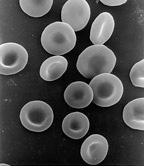
Iron deficiency anaemia is when the body doesn't produce enough red blood cells, because there is a lack of iron (نقص الدم - lit. lack of blood or blood loss in Arabic, also called فقر الدم بعوز الحديد). Iron is used by the body to make haemoglobin, which helps store and carry oxygen in red blood cells.

Haemoglobin transports oxygen from the lungs to the rest of the body. If there is a lack of iron in the blood, the organs and tissues will not get as much oxygen as they usually do.

Iron deficiency anaemia affects up to 1 in 20 men and 1 in 20 post-menopausal women (after a woman’s monthly periods have stopped).

Iron deficiency anaemia may be more common in women who are still menstruating (having periods). This is because menstruation and pregnancy can cause iron deficiency.


Most common symptoms of iron deficiency anaemia include:

  • tiredness
  • lethargy (lack of energy)
  • shortness of breath (dyspnoea)
  • palpitations (irregular heartbeat)

Less common symptoms of iron deficiency anaemia include:

  • headache
  • tinnitus, the perception of a noise in one or both ears or in your head that comes from inside your body, such as a ringing in your ears
  • an altered sense of taste
  • pica, a desire to eat non-food items, such as ice, paper or clay
  • a sore tongue
  • feeling itchy
  • difficulty swallowing (dysphagia)
Changed appearance:

You may also notice changes in your physical appearance. For example, signs that you may have iron deficiency anaemia include:

  • a pale complexion
  • an abnormally smooth tongue (atrophic glossitis)
  • painful ulcers (open sores) on the corners of your mouth (angular chelosis)
  • dry, flaking nails
  • spoon-shaped nails
Examples of Iron-rich foods:
  • Animal foods (generally better than vegetarian sources): lamb, shrimp, game, beef, turkey, liver (liver should be avoided during pregnancy due to the high level of vitamin A), kidney, heart, eggs (especially the yolk), sardines, turkey, oily fish (tuna, sardines, pilchards, cockles, clams, oysters, mussels, etc)
  • Vegetarian sources: dark-green leafy vegetables (eg. watercress and curly kale), iron-fortified bread, beans & pulses (lentils, chick peas, haricot, kidney, pinto, baked, butter, peas), nuts, seeds, dried fruits (apricots, prunes, raisins, figs, dates), fortified cereals,
Things that enhance the uptake of iron:
  • Fruits: orange, orange juice, cantaloupe, strawberries, grapefruit, etc (Vitamin C)
  • Vegetables: broccoli, brussel sprouts, tomato, tomato juice, potato, green and red peppers
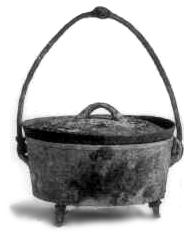
  • Cooking in cast iron (adding something acidic, such as tomato, to get the benefit of the iron)

Things that inhibit the uptake of iron:
  • Tea and coffee
  • Certain vegetables: chard, beet greens, rhubarb, sweet potato
  • Whole grains and bran (unless fortified with iron?)
  • Soy products
  • Calcium - dairy products (fortified cereals need something that enhances the uptake of its iron, such as a vitamin C rich drink, since it's eaten with milk or yoghurt)
Some questionable things I've come over:
  • Spinach - some count it as a source of iron, others as an inhibitor of iron uptake!
  • iron-rich?: rich fruit cake, gingerbread, ginger biscuits, curry powder, cocoa, chocolate, black treacle
(Adapted from nhs, healthcastle, food standards agency, and a glance at this)

I was told yesterday that iron deficiency can cause or show through irritability and depression too. For more in-depth reading on the subject, check out Wikipedia.

Monday, November 26, 2007

Food for thought

"The brain is over 60% fat and very rich in both omega-3 and omega-6 EFA derivatives so the baby needs essential fatty acids (EFAs) for brain development and brain function. These are drawn from the mother's body during pregnancy and breastfeeding.

So during pregnancy and breastfeeding the mother gets depleted of essential fatty acids, especially the omega-3 fatty acids. Each child gets less EFAs than the previous child, depleting the mother even further, UNLESS the mother augments her diet with EFAs, like flax oil and oily fish."

The Basics of The Essential Fatty Acids (EFAs)

Yikes! In lack of something wise to say...
I'm reading up on good food for nursing mothers and children, while writing my grocery list.

"This depletion of the mother's EFA stores for baby's brain building can explain why younger children have more developmental and behavioral problems than older children, especially if the chilren are born close together. It also can explain why women experience far more depression, fibromyalgia, and chronic fatigue, and more inflammatory, autoimmune, and collagen diseases than men."

Another good article: Breastfeeding mom's diet and baby's brain development, "Another important note for pregnant women is that women who develop postpartum depression have lowered levels of DHA."

Milk in the breasts, porridge in the head!

Found this site too, which has some "controversial" material (food-wise):

http://www.westonaprice.org/splash_2.htm

Does Vitamin A Cause Osteoporosis?

This is interesting, as we've recently read in a few posts on raw milk in the e-group muslimhsers, "A better way to build healthy bones is with weight-bearing exercise (J Bone Miner Res, 1995; 10:1068–75), getting adequate sunlight (around 15 minutes a day) and increasing your intake of leafy green vegetables, which contain calcium as well as vitamin K, an essential factor in bone metabolism (see WDDTY vol 17 no 4)."

Drinking large quantities of milk does NOT increase calcium levels, recent research has found, because "eating dairy products can increase the rate at which calcium is lost from the body and so hasten osteoporosis.

As well as being high in calcium, dairy products are also high-protein foods. Too much protein in the diet—whether from milk products or any other source, such as meat, fish or eggs—means that the body has to get rid of the excess. To do this, the kidneys work to clear the excess—and also lose calcium, in a process known as ‘protein-induced hypercalciuria’."

Another myth is what a lot of non-muslims like to point out to muslims, that dressing the way we do results in osteoporosis! It's like me telling them they'll all have skin cancer!!!
Blondes take up more D-vitamin from the sun than dark people. But one does not have to sit and get fried to get some of the blessings! Sitting in the shadow is enough, and maybe the choice of colours in our clothes has an effect...

Today's lifestyle for the majority of people lacks regular day-light. It's up early in the morning, before sun-light during winter, to sit in an office without windows and then come back home after dark.
Bad diet takes its toll too. Red meat contains D-vitamin, but a lot of people are vegetarians.